Introduction
Alcohol breathalyzers are devices that measure the blood alcohol concentration (BAC) in an individual's breath. They are frequently made use of by law enforcement police officers to figure out if a driver is under the influence of alcohol. Comprehending how alcohol breathalyzers work and how they figure out levels of drunkenness is necessary for anyone who may come into call with these tools, whether it be throughout a routine website traffic quit or as part of a work environment security program.
In this post, we will check out the science behind alcohol breath analyzer tests, the variables that can influence their precision, and the lawful ramifications of driving drunk (DUI). We will certainly likewise provide solution to regularly asked inquiries concerning DUI laws, DUI lawyers, and the consequences of drinking and driving.
How Does an Alcohol Breathalyzer Work?
An alcohol breathalyzer works by determining the quantity of ethanol vapor existing in an individual's breath. When an individual eats alcohol, it is taken in into their bloodstream. As the blood circulates with the lungs, some of the alcohol vaporizes right into the air sacs (alveoli) in the lungs. When an individual breathes out, this vaporized alcohol is accomplished of their body in their breath.
The alcohol breathalyzer uses a chain reaction to detect and evaluate the amount of ethanol vapor in a person's breath. The most common sort of alcohol breathalyzer uses fuel cell modern technology, which depends on an electrochemical response in between ethanol and oxygen to create an electrical present. The magnitude of this existing is symmetrical to the amount of ethanol existing in the breath sample.
Factors Affecting Accuracy
While alcohol breathalyzers are typically reliable tools for estimating BAC degrees, there are several elements that can influence their accuracy. It is important to comprehend these aspects to make sure accurate analyses and avoid false positives or negatives.
Calibration: Alcohol breath analyzers require routine calibration to make sure accurate readings. Gradually, the sensors in the tool can come to be less delicate or wander out of calibration. It is necessary for police and people to regularly adjust their breath analyzers to keep accuracy.
Mouth Alcohol: Mouth alcohol describes any type of recurring alcohol in the mouth that can incorrectly raise breath analyzer test readings. This can happen if a person just recently taken in alcohol, gargled or breath fresheners containing alcohol, or has certain medical problems that cause alcohol to linger in the mouth. To mitigate this problem, most modern-day breath analyzer tests have a built-in "slope detector" that can detect uncommon breath patterns a sign of mouth alcohol and offer a mistake message.
Breathing Patterns: The rate and deepness of an individual's breath can impact the precision of an alcohol breathalyzer analysis. Shallow or rapid breathing might result in reduced BAC readings, while slow-moving or deep breathing might lead to greater readings. It is important for people to follow the particular directions offered with their breathalyzer gadget to guarantee constant and accurate results.
Environmental Factors: Environmental elements such as temperature level and humidity can influence the precision of alcohol breath analyzers. Extreme temperature levels can trigger variations in sensor performance, while high moisture levels can disrupt the chain reaction that happens inside the tool. It is necessary to utilize alcohol breath analyzer tests within their specified operating range and follow any type of additional guidelines supplied by the manufacturer.
DUI Regulations and Consequences
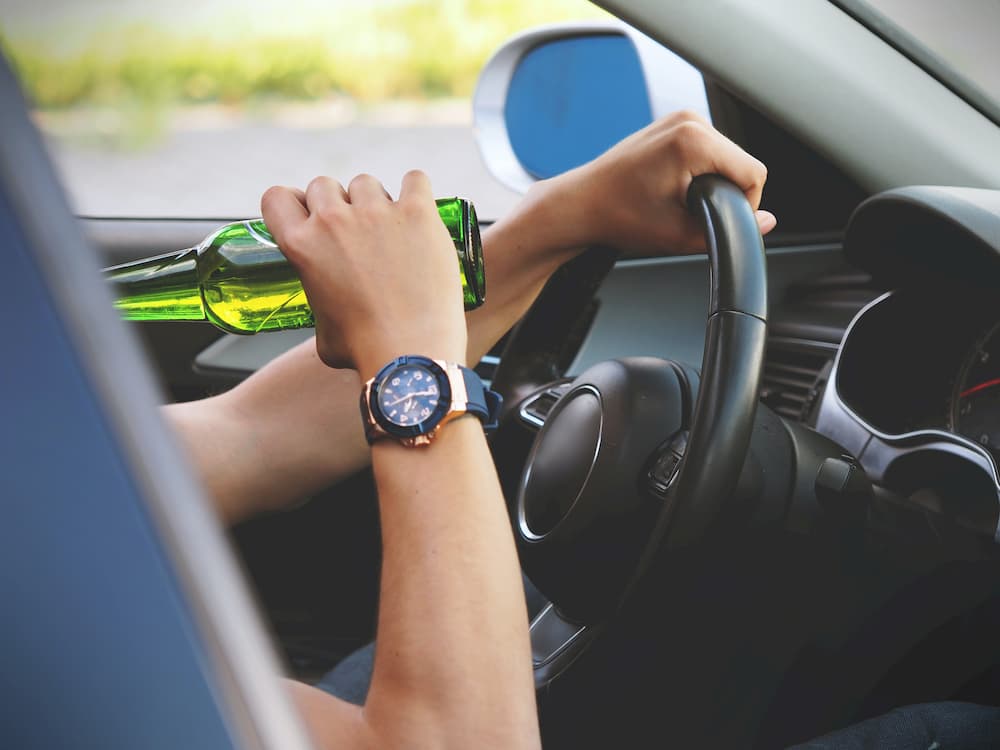
Driving under the influence (DUI) regulations differ from territory to jurisdiction, however they usually restrict running an automobile while impaired by alcohol or medicines. The lawful limitation for blood alcohol concentration (BAC) is generally set at 0.08% in numerous countries, including the United States.
DUI Laws in California
In California, it is unlawful for anyone 21 years old or older to run a car with a BAC of 0.08% or higher. For industrial chauffeurs, the lawful limitation is 0.04%, and for individuals under the age of 21, any type of detectable amount of alcohol in their system can result in a DUI charge.
Consequences of Alcohol consumption and Driving
The consequences of drinking and driving can be severe, both legally and directly. Some potential repercussions include:
License Suspension: A DUI conviction often results in a chauffeur's permit suspension. The length of the suspension can vary relying on elements such as prior offenses and BAC level at the time of arrest.
Fines: DUI sentences are typically gone along with by hefty fines, ranging from a number of hundred to a number of thousand dollars.
Ignition Interlock Device: Sometimes, people founded guilty of drunk driving may be required to mount an ignition interlock device (IID) in their lorry. This gadget calls for the vehicle driver to supply a breath sample prior to beginning the car and at routine intervals while driving.
Probation: DUI wrongdoers may be placed on probation, which normally consists of problems such as participating in alcohol education and learning programs, sending to arbitrary medication tests, and preventing more criminal activity.
Increased Insurance Rates: A DUI conviction can lead to dramatically greater insurance policy prices or perhaps the termination of insurance policies.
Criminal Record: A DUI conviction will lead to a permanent criminal record, which can have resilient effects on employment leads and various other aspects of life.
Injury or Death: One of the most destructive consequences of drinking and driving is the possibility for significant injury or fatality to oneself or others on the road.
FAQs
Q: What is the lawful blood alcohol concentration (BAC) limitation for driving?- A: The legal BAC limit for driving is usually set at 0.08% in many countries, consisting of the United States.
- A: Rejecting to take a breathalyzer examination can have significant effects, such as an automatic driver's license suspension. It is recommended to follow law enforcement's requests, as rejection can be made use of versus you in court.
- A: It is usually advised to consult with a DUI lawyer if you are billed with driving intoxicated. They can give guidance and help navigate the lawful process.
- A: It is possible to get DUI charges reduced or disregarded, but it relies on the certain scenarios of your case. Consulting with a DUI lawyer can assist determine the best course of action.
- A: Some common protection strategies for DUI charges include testing the credibility of the breathalyzer test, questioning the validity of the traffic stop, and disputing the accuracy of field soberness tests.
- A: Declining to offer a breath sample throughout a DUI arrest can lead to an automatic vehicle driver's license suspension and may be utilized as proof versus you in court.
Conclusion
Alcohol breath analyzer tests play an important duty in figuring out degrees of intoxication and imposing DUI laws. Understanding just how these gadgets work and the factors that can influence their accuracy is vital for any individual who may experience them. In addition, recognizing the legal effects and consequences of drinking and driving can aid promote more secure roads and responsible alcohol consumption.
Remember, constantly drink responsibly and never operate a vehicle while drunk of alcohol or medications. If you discover on your own facing DUI charges, it is advisable to seek advice from a qualified DUI lawyer that can offer support and aid secure your rights.
